

Is Ford BlueCruise Worth It? | Bentonville Guide
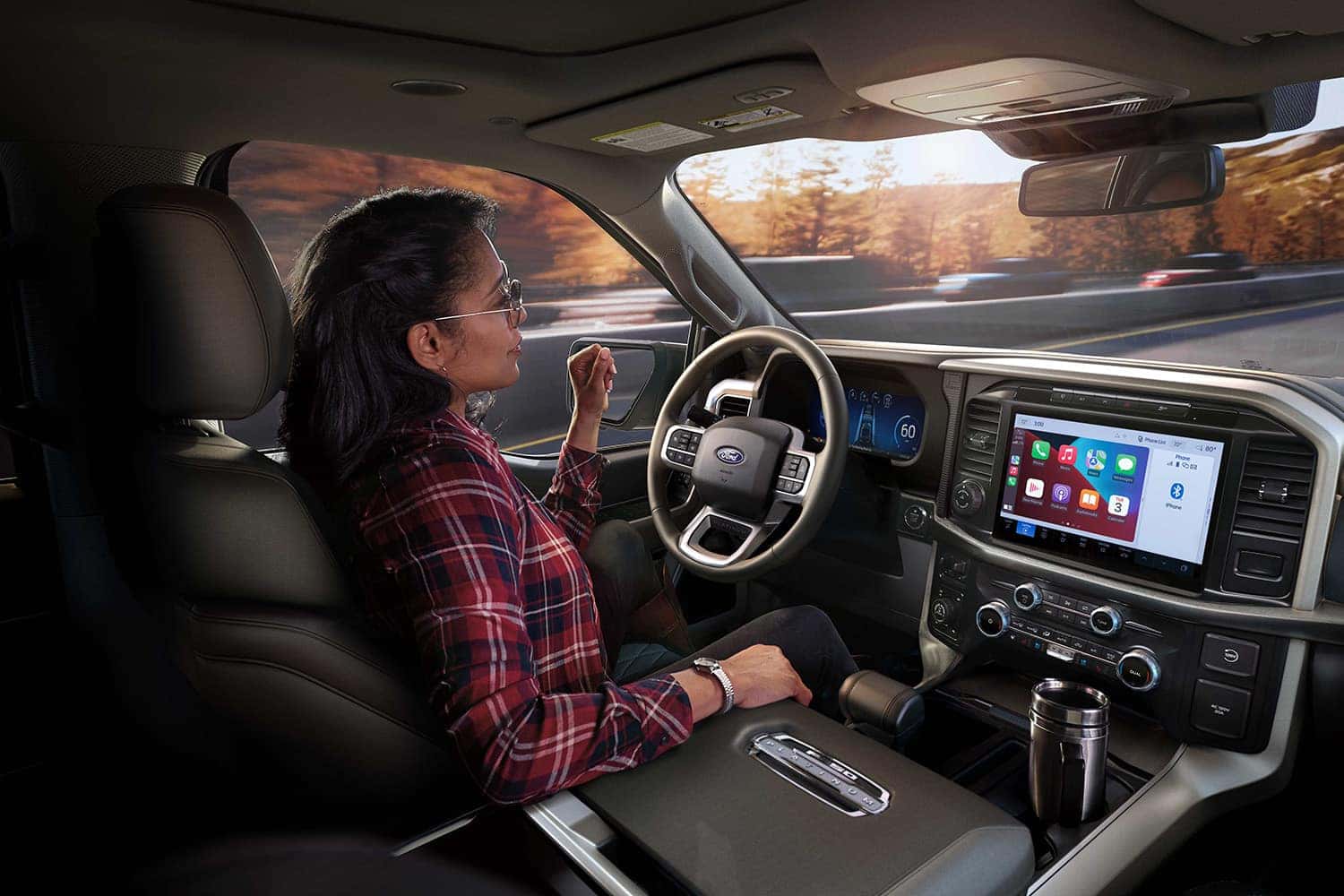
Hands-free driving sounds futuristic, but for many Ford owners, it’s already part of everyday commuting. Ford BlueCruise is designed to reduce fatigue on long highway drives by allowing drivers to take their hands off the wheel on approved roadways while the system manages steering, speed, and lane positioning. For Bentonville-area drivers who spend time on I-49 or regularly travel across Northwest Arkansas, BlueCruise raises an important question: is it actually worth it?
At McLarty Daniel Ford, many shoppers ask about BlueCruise because they’ve heard about hands-free driving but aren’t sure how it works in real life. Understanding what the system does, where it works best, and who benefits most can help drivers decide whether it’s a meaningful upgrade or simply a nice-to-have feature.
What Ford BlueCruise Actually Does
Ford BlueCruise is a hands-free driver-assist system designed for use on pre-mapped divided highways known as Hands-Free Blue Zones. When conditions are met, the system allows drivers to remove their hands from the steering wheel while the vehicle maintains lane position, adjusts speed, and responds to traffic flow.
BlueCruise relies on several integrated technologies working together:
— Adaptive cruise control to maintain distance from vehicles ahead
— Lane-centering technology to keep the vehicle aligned
— High-definition mapping of approved highways
— A driver-facing camera that ensures the driver remains attentive
It’s important to understand that BlueCruise does not make the vehicle autonomous. Drivers must remain alert and ready to take control at any time. The system is designed to assist, not replace, the driver.
Where BlueCruise Works Best in Northwest Arkansas
BlueCruise performs best on long, well-marked, divided highways. For Bentonville drivers, this often includes stretches of I-49 and other major highways commonly used for commuting or regional travel.
Situations where BlueCruise shines include:
— Daily highway commutes
— Long-distance road trips
— Stop-and-go traffic on approved highways
— Extended drives where fatigue can set in
BlueCruise is not intended for city streets, construction zones, or rural roads with inconsistent lane markings. Drivers who spend most of their time on highways tend to experience the greatest benefit from the system.
Which Ford Models Offer BlueCruise
BlueCruise is available on select Ford models equipped with the necessary hardware and technology packages. Availability can vary by model year and trim level, so it’s important to confirm compatibility when shopping.
Models commonly associated with BlueCruise availability include:
— Ford Explorer
— Ford F-150
— Ford Expedition
— Ford Mustang Mach-E
At McLarty Daniel Ford, shoppers can see which trims include BlueCruise capability and how the system integrates with other driver-assist features. A test drive on nearby highway routes can help drivers understand how the technology feels in real-world conditions.
Is BlueCruise Worth It for Families and Commuters?
Whether BlueCruise is worth it depends largely on driving habits. For drivers who regularly travel long highway distances, the system can significantly reduce fatigue and stress. Families often appreciate how it smooths out long road trips, while commuters value the reduced mental load during daily drives.
BlueCruise may be especially valuable for:
— Drivers with long or frequent highway commutes
— Families who take regular road trips
— Drivers who experience fatigue during extended travel
— Owners who prioritize advanced safety and convenience technology
For drivers who primarily stay within city limits or rarely use highways, the benefit may be more limited. In those cases, other safety and convenience features may provide more day-to-day value.
Common Misconceptions About Hands-Free Driving
One of the biggest misconceptions about BlueCruise is that it allows drivers to disengage completely. In reality, the system continuously monitors driver attention. If the driver looks away for too long or becomes inattentive, the vehicle will issue alerts and eventually require hands-on control.
Other common misunderstandings include:
— BlueCruise works on all roads
— The vehicle drives itself without supervision
— The system replaces driver responsibility
Understanding these limitations helps set realistic expectations and ensures drivers use the technology safely and effectively.
Learn More About Ford BlueCruise at McLarty Daniel Ford
Ford BlueCruise represents a meaningful step forward in driver-assist technology, especially for drivers who spend significant time on the highway. When used as intended, it can make driving more comfortable, less tiring, and more enjoyable without sacrificing safety.
At McLarty Daniel Ford, the team helps drivers explore how BlueCruise fits into their lifestyle by explaining availability, demonstrating the system, and answering practical questions about real-world use. If you’re curious whether hands-free driving makes sense for your daily routine, seeing it in action is often the best way to decide. Schedule your test drive today.
