

The gravity of how much plastic we use on a daily basis might not register until you put it like this: with the exception of the tiny fraction of plastics that are made to be biodegradable, every plastic item you’ve ever used in your life still exists somewhere in the world. Every plastic toy you had as a kid. Every cheese wrapper. Every plastic straw, fork and spoon. Every plastic button, widget and whatsit. It’s all still out there somewhere, and what hasn’t been recycled is likely in a landfill or floating in an ocean, lake or river, where it might remain pretty much unchanged until your grandchildrens’ grandchildrens’ grandchildren are your age.
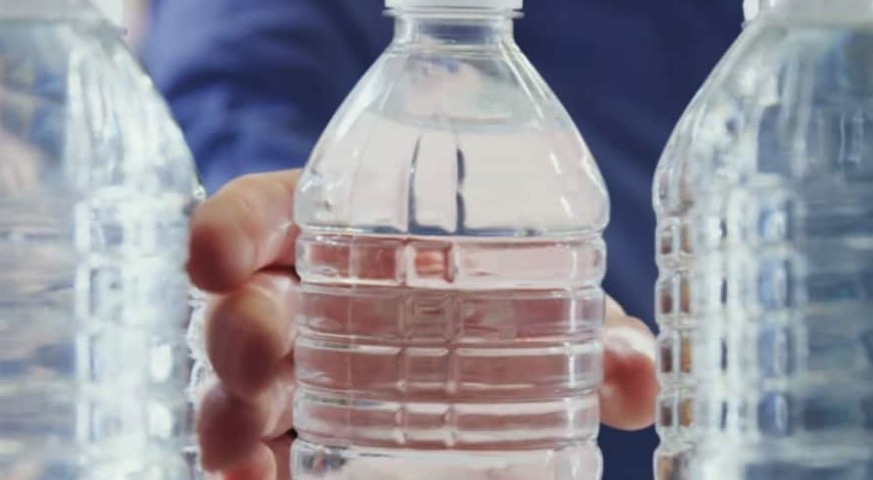
One company that has stepped up in a big way to push back against the mountains of plastic waste our world produces is Ford Motor Company. You know all those plastic water bottles you’ve drank from and tossed into the recycling bin over the years? There’s a good chance at least a few of them have made it into a Ford car, truck, van or SUV. In 2019, Ford vehicles will utilize the recycled plastic from over 1.2 BILLION plastic bottles — up to 250 bottles per vehicle produced — to build underbody shields and wheel liners for every Ford car, truck and SUV that rolls off the assembly line. Crucial for reducing road noise and helping create an aerodynamically slippery underbody to improve fuel economy, the recycled shields are just one way Ford is working to reduce, reuse and recycle.
“The underbody shield is a large part, and for a part that big, if we use solid plastic, it would likely weigh three times as much,” said Thomas Sweder, design engineer, Ford Motor Company. “We look for the most durable and highest performing materials to work with to make our parts, and in this case, we are also creating many environmental benefits.”
Due to its light weight, recycled plastic from plastic bottles is perfect for the manufacture of underbody shields, engine under shields and front and rear wheel arch liners. When the vehicle reaches the end of its useful life, these parts and pieces can then themselves be recycled, helping to prevent the need for creating new plastic pieces.
“Ford is among the leaders when it comes to using recycled materials such as this, and we do it because it makes sense technically and economically as much as it makes sense for the environment,” Sweder said. “This material meets all of our robust specifications for durability and performance.”
Those 1.2 billion bottles will never wind up in a landfill or in the ocean, where the Pacific Gyre — a mass of floating plastic refuse bigger than the land area of Mexico — has been clustered together, harming wildlife and fish. It’s one more reason McLarty Daniel Ford of Bentonville is proud of the brands we sell, and Ford’s commitment to our shared future.
Connect with us


- September 2025
- May 2025
- March 2025
- February 2025
- September 2024
- August 2024
- July 2024
- April 2024
- March 2024
- February 2024
- October 2023
- September 2023
- July 2023
- June 2023
- May 2023
- April 2023
- June 2022
- May 2022
- March 2022
- February 2022
- January 2022
- December 2021
- November 2021
- September 2021
- August 2021
- July 2021
- June 2021
- May 2021
- April 2021
- March 2021
- February 2021
- January 2021
- December 2020
- November 2020
- October 2020
- September 2020
- August 2020
- July 2020
- June 2020
- May 2020
- March 2020
- February 2020
- January 2020
- December 2019
- November 2019
- October 2019
- September 2019
- August 2019
- July 2019
- June 2019
- May 2019
- April 2019
- March 2019
- February 2019
- January 2019
- December 2018
- November 2018
- October 2018
- September 2018
- August 2018
- July 2018
- June 2018
