

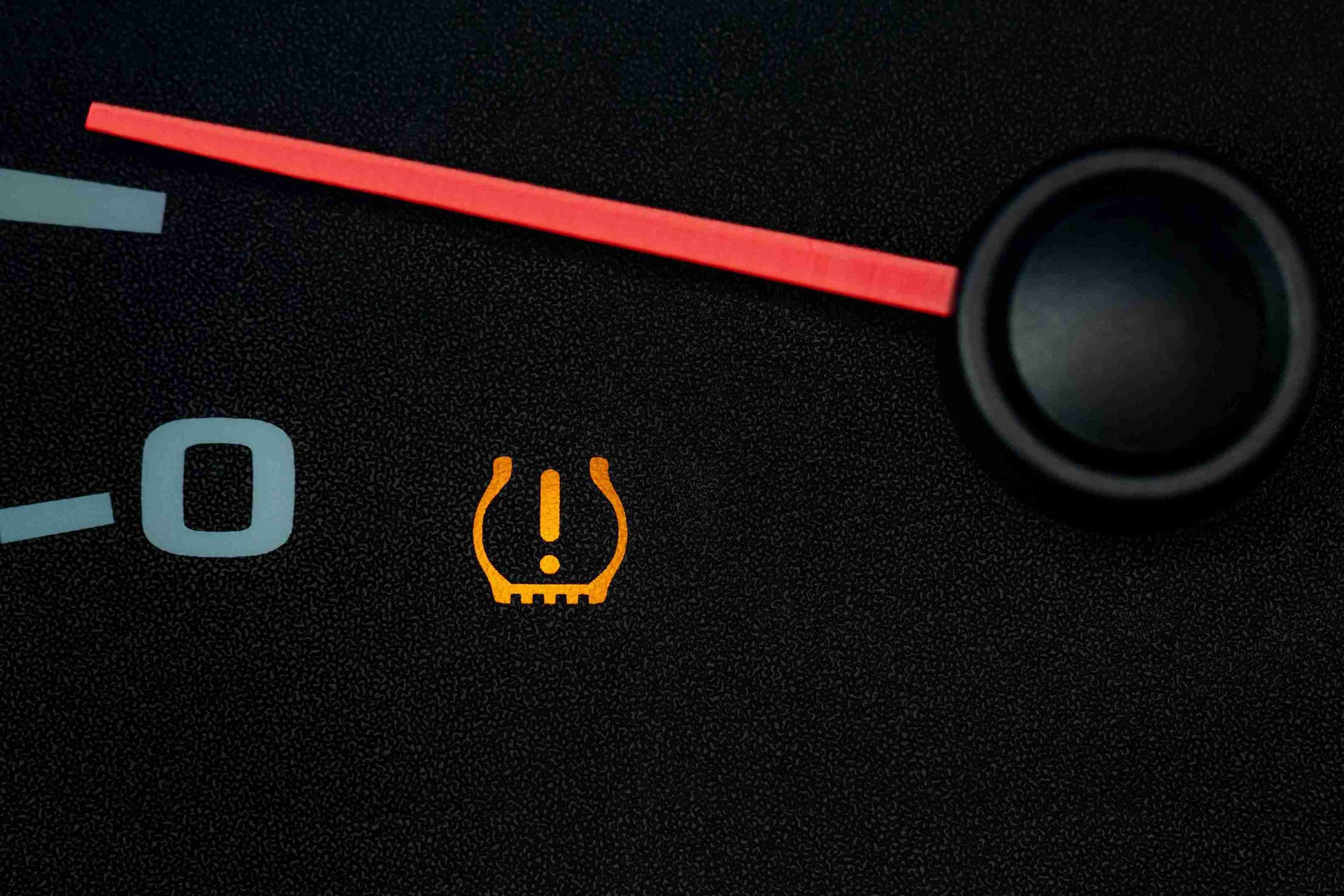
We recommend that you check your tire pressure on a frequent basis during the winter months, as well as whenever your TPMS indicator illuminates on your dashboard. When temperatures are extreme, it’s a good idea to get into the habit of monitoring the pressure at least once a month or each morning before you leave for the day. The TPMS light will usually illuminate in the morning when temperatures are at their lowest. Even if your light goes out, it’s a good idea to check and fill up even if the temperature rises.
Maintaining the proper PSI level benefits your safety, tire health, and gas mileage. For each PSI drop in pressure across all four of your tires, incorrect tire pressure can reduce your gas mileage by approximately 0.3 percent. If your tires are properly inflated, you can increase your gas mileage by 3.3 percent.
If you have a car that was made in the last five years, the TPMS indicator may not notify you until your tires are considerably under-inflated. We recommend that you keep attentive, check your tires periodically, and be prepared to fill up when necessary, especially during extreme weather or temperature changes.
Treat yourself to a new set of tires and allow us to keep you on the road this winter at McLarty Daniel Ford, which serves the communities of Centerton, Bella Vista, Bentonville, Eureka Springs, Fayetteville, Pea Ridge, Springdale, and Rogers, Arkansas. Visit us today and allow our factory-trained Ford technicians to take care of all of your tire needs!
Connect with us


- September 2025
- May 2025
- March 2025
- February 2025
- September 2024
- August 2024
- July 2024
- April 2024
- March 2024
- February 2024
- October 2023
- September 2023
- July 2023
- June 2023
- May 2023
- April 2023
- June 2022
- May 2022
- March 2022
- February 2022
- January 2022
- December 2021
- November 2021
- September 2021
- August 2021
- July 2021
- June 2021
- May 2021
- April 2021
- March 2021
- February 2021
- January 2021
- December 2020
- November 2020
- October 2020
- September 2020
- August 2020
- July 2020
- June 2020
- May 2020
- March 2020
- February 2020
- January 2020
- December 2019
- November 2019
- October 2019
- September 2019
- August 2019
- July 2019
- June 2019
- May 2019
- April 2019
- March 2019
- February 2019
- January 2019
- December 2018
- November 2018
- October 2018
- September 2018
- August 2018
- July 2018
- June 2018
